

How to Know If Your HVAC System Needs a Repair or a Full Replacement
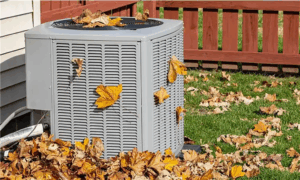
When your heating and cooling system starts acting up, it can be tough to know if a simple repair will get it back in shape or if it’s time to start thinking about a full replacement. HVAC systems are major investments, so it’s natural to want to make the most out of them without sacrificing comfort, safety, or efficiency.
Keep reading to understand the common signs so you can make an informed decision about what your system really needs.
Signs Your HVAC Needs Repairs
Not every issue means your HVAC system has reached the end of its life. In many cases, timely repairs can solve the problem and extend the life of your equipment.
- Strange Noises or Odors: Rattling, buzzing, or musty smells don’t always signal a replacement. Often, they’re caused by loose parts, clogged filters, or minor electrical issues.
- Uneven Cooling or Heating: If some rooms are warmer or cooler than others, the issue could be a thermostat calibration problem, ductwork leaks, or blocked vents.
- Short Cycling: A system that turns on and off frequently may just need a new capacitor or a thermostat adjustment.
- High Energy Bills Without Age Concerns: If your system is relatively new but energy costs are climbing, a repair, like sealing duct leaks or replacing worn parts, could restore efficiency.
Signs Your HVAC Needs to be Replaced
There comes a point where putting money into repeated repairs no longer makes financial or practical sense. Here are some signs that replacement might be the smarter choice:
- Age of the System: Most HVAC systems last 12–15 years with regular maintenance. If yours is in that range or older, replacement is often the better long-term investment.
- Frequent Repairs: If you’ve had multiple service calls in the past two years and costs keep adding up, a new system can actually save you money over time.
- Inconsistent Comfort: An older system may struggle to keep up with your home’s needs, leaving you with hot and cold spots or uncomfortable humidity levels.
- Rising Utility Bills: As systems age, they lose efficiency. Even with regular tune-ups, an older unit will often use more energy than today’s high-efficiency models.
- Outdated Technology: Modern HVAC systems often come with smart features, variable speed motors, and better energy ratings. Replacing an old system can give you better comfort and control.
The Value of Professional Guidance
The decision to repair or replace isn’t always clear-cut; it often comes down to weighing short-term costs against long-term benefits. Since every home and HVAC system is different, it helps to consult with a professional technician. A trusted HVAC provider can assess the condition of your current system, review your repair history, and help you run the numbers on whether continued repairs or a replacement is more cost-effective.
If you’re noticing problems with your heating and cooling system, especially as the seasons change in Iowa, reach out to Air Services Heating and Air Conditioning, serving the Waterloo-Cedar Falls area. Our team can evaluate your system and help you determine the best path forward for comfort and efficiency. Contact us today.