

How HVAC Zoning and Smart Dampers Can Solve Hot-and-Cold Spots in Your Home
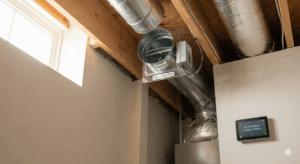
HVAC Zoning and Smart Dampers
Many homeowners know the irritation of walking from a comfortable living room into a bedroom that feels ten degrees warmer, or stepping into a basement that always seems chilly, no matter how long the system runs. Uneven temperatures are more than a simple inconvenience. They often signal that the home is relying on a single thermostat to manage very different spaces.
Here’s how HVAC zoning and smart dampers can help create more consistent comfort by directing airflow where it is actually needed.
What HVAC Zoning Actually Means
HVAC zoning divides a home into separate temperature areas, each controlled by its own thermostat. These thermostats send signals to the main system, which then adjusts airflow based on what each zone needs. Instead of heating or cooling the entire home at the same level, zoning focuses on the spaces that require more attention.
Homes with multiple stories, wide open rooms, or finished basements tend to benefit the most because these areas often heat or cool at different speeds. Treating them as if they all behave the same rarely produces balanced temperatures.
How Smart Dampers Support Zoning
Smart dampers are motorized components installed in the ductwork. They open or close in response to signals from the thermostats assigned to each zone. When a zone calls for heating or cooling, the damper opens to send airflow directly to that area. Once the space reaches the desired temperature, the damper closes so the system can shift its focus elsewhere. Because smart dampers adjust in real time, they continually shape airflow throughout the home.
How Zoning Addresses Hot and Cold Spots
Hot and cold spots usually develop for understandable reasons. Some rooms receive more sunlight during the day. Others sit above garages or other unconditioned spaces. Upper levels tend to trap heat while lower levels stay cooler. Zoning gives these areas control over their own temperature instead of relying on a single hallway thermostat.
Zoning sends conditioned air only to areas that need it, which means the system is not working harder than it has to. It allows upper and lower floors to settle closer to the same temperature and keeps sun-facing rooms from overheating during the brightest parts of the day.
Where Zoning Makes the Most Noticeable Difference
Certain rooms show improvement almost immediately once zoning is in place. Bedrooms that struggle to cool down at night often become more comfortable because airflow is directed exactly where it is needed. Upper floors that stay warm even when the AC is running begin to align more closely with lower floors.
Basements usually feel less chilly, and rooms with large windows stop swinging dramatically in temperature. Zoning also helps households where people prefer different temperature levels because each zone can be set independently.
How Smart Thermostats Strengthen Zoning
Modern smart thermostats bring added precision to zoning systems. They can adjust temperatures based on daily routines, occupancy patterns, and real-time comfort needs. When paired with smart dampers, the system responds more accurately to each zone rather than running the entire home at full output. This helps create steady comfort throughout the house while controlling how often the system has to work.
Is Zoning a Good Fit for Every Home
Zoning offers meaningful benefits in many homes, but the layout and ductwork need to support the system for it to work properly. A trained HVAC technician should evaluate airflow, equipment condition, and duct design before any zoning components are installed. Some homes may require adjustments to the existing setup to help zoning operate as intended.
If hot and cold spots are a constant problem, HVAC zoning and smart dampers may be the solution. Our team at Air Services Heating and Air Conditioning can evaluate your system and help you decide if zoning is the right fit for your home. Contact us when you are ready to explore a more balanced and comfortable indoor setup.